


These approaches address both the physical dependence and the psychological aspects of addiction, promoting long-term recovery and relapse prevention. The causes of OxyContin addiction include chronic pain management, overprescription, genetic predisposition, and mental health disorders, among other factors. These causes intertwine, creating a complex pathway to dependency and addiction. The severity of addiction lies in the development of tolerance, where users require increasingly larger doses to achieve the same effect.
Opioid overdose deaths remain high
Your doctor may decide not to treat you with this medication or change some of the other medicines you take. The article’s lead author Kevin Bain, MPH, PharmD, co-founder and medical director at Biophilia Partners, said that while the 30% described does not specifically denote addiction rates, it could still be highly relevant to the addiction process. However, the study calculated average rates of misuse to be between 21% and 29%, and rates of addiction between 8% and 12%. Across individual pharmacokinetic studies, average plasma oxycodone concentrations for female subjects were up to 25% higher than for male subjects on a body weight-adjusted basis.
How is oxycodone supplied (dosage forms)?
Most people starting their oxycodone addiction treatment are recommended a detox program paired with a partial hospitalization program (PHP) that eases withdrawal symptoms and provides patients with a secure and supervised environment to begin their recovery. In fact, prior research studies of OxyContin use or abuse among the general population and among those receiving the medication for pain management in specialty clinics have not supported such media claims (1–3, 5, 8–11, 44). These studies have reported that while the rates of OxyContin use have increased since 2000, the proportion of those individuals who are prescribed OxyContin and have shown signs of abuse or dependence are quite low (less than 2%).
OxyContin is subject to the REMS for opioid analgesics
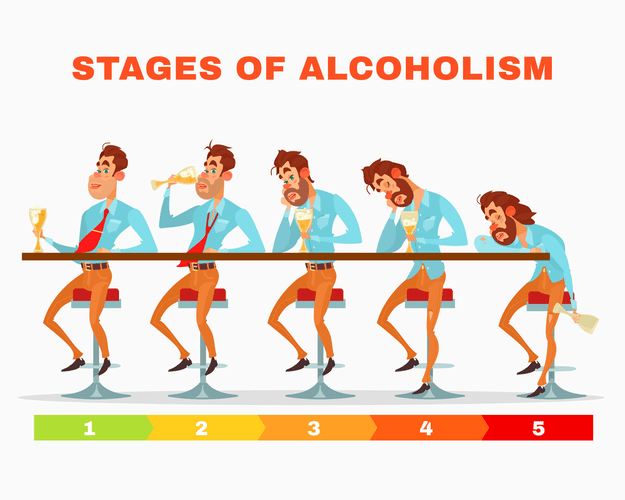
As people run out of prescription-type opioids like OxyContin, many turn to street drug alternatives. Opiates like heroin and, more often, fentanyl serve as even more dangerous alternatives for prescription opioids. The cheap, concentrated drug fentanyl fuels the current iteration of the opioid epidemic. Once hooked on opioids through a prescription, you may find yourself in a position where you feel a need to get ahold of any opiate you can find. Desperation like this can lead to dire consequences, from jail time to overdose.

Opioids have been shown to have a variety of effects on components of the immune system in in vitro and animal models. The most frequent adverse events observed in pediatric patients were vomiting, nausea, headache, pyrexia, and constipation see DOSAGE AND ADMINISTRATION, ADVERSE REACTIONS, CLINICAL PHARMACOLOGY and Clinical Studies. Inform patients that anaphylaxis has been reported with ingredients contained in OXYCONTIN. Advise patients how to recognize such a reaction and when to seek medical attention see CONTRAINDICATIONS and ADVERSE REACTIONS. Tolerance is a physiological state characterized by a reduced response to a drug after repeated administration (i.e., a higher dose of a drug is required to produce the same effect that was once obtained at a lower dose).
Misuse and abuse of OXYCONTIN increases risk of overdose, which may lead to central nervous system and respiratory depression, hypotension, seizures, and death. The risk is increased with concurrent abuse of OXYCONTIN with alcohol and/or other CNS depressants. Abuse of and addiction to opioids in some individuals may not be accompanied by concurrent tolerance and symptoms of physical dependence. Because of how opioid agonists have unique effects on dopamine neurotransmission within the reward system, we can surmise that different opioid agonists will elicit various strengths of incentive salience. Thus, the differences in engagement of the mesolimbic dopaminergic circuits could elicit diverse effects on incentive salience or motivation and potentially analgesic mechanisms (Ma et al. 2012). These arguments favor oxycodone’s higher abuse liability, despite similar reinforcing profile between oxycodone and other opioid agonists in the drug discrimination studies.
Data for practitioners were much more varied, and 10 states with the highest distribution and notable patterns were plotted. Opioid-related deaths were plotted across time to identify patterns of change over the study period. This flood of prescription opioids into American communities had a direct how addictive is oxycontin and deadly correlation with overdose deaths.
- The remaining 90% of the NAc cannot enhance ‘liking’, though still strongly generates intense ‘wanting’ (Peciña and Berridge 2000, 2005; Berridge and Robinson 2016).
- A published study showed that the co-administration of rifampin, a drug metabolizing enzyme inducer, decreased oxycodone AUC and Cmax values by 86% and 63%, respectively see DRUG INTERACTIONS.
- Similarly, discontinuation of a CYP3A4 inducer, such as rifampin, carbamazepine, and phenytoin, in OXYCONTIN-treated patients may increase oxycodone plasma concentrations and prolong opioid adverse reactions.
Use In Specific Populations
Oxycodone is extensively metabolized by multiple metabolic pathways to produce noroxycodone, oxymorphone and noroxymorphone, which are subsequently glucuronidated. CYP3A mediated N-demethylation to noroxycodone is the primary metabolic pathway of oxycodone with a lower contribution from CYP2D6 mediated O-demethylation to what is Oxford House oxymorphone. Therefore, the formation of these and related metabolites can, in theory, be affected by other drugs see DRUG INTERACTIONS.
A combination of medical support and counseling ensures that patients with OxyContin addiction receive comprehensive care. Since addiction and mental health issues often go hand-in-hand, treatment for co-occurring conditions ensures the most robust recovery experience. These medications are usually prescribed up to every four to six hours because of the shorter duration of action. OxyContin, however, is usually prescribed every 12 hours because of its extended-release formulation. This essentially means OxyContin has a special coating that allows the medication to be more slowly absorbed over a longer time than oxycodone. OxyContin is prescribed for several types of pain, ranging from arthritis to injuries.
Inform patients that OXYCONTIN could cause adrenal insufficiency, a potentially life-threatening condition. Adrenal insufficiency may present with non-specific symptoms and signs such as nausea, vomiting, anorexia, fatigue, weakness, dizziness, and low blood pressure. Advise patients to seek medical attention if they experience a constellation of these symptoms see WARNINGS AND PRECAUTIONS. Educate patients and caregivers on how to recognize the signs and symptoms of an overdose. Inform patients that the use of OXYCONTIN, even when taken as recommended, can result in addiction, abuse, and misuse, which can lead to overdose and death see WARNINGS AND PRECAUTIONS.

The Purdue Pharmacommercial wants people in pain to become prescriptionOxyContin https://kosong99.com/15-signs-your-body-is-telling-you-you-re-drinking-2/ users. However, the scientific study from which the commercial’s 1%addiction rate statistic is pulled doesnot apply to prescription OxyContin users. It applies only to patientsundergoing hospitalized, regimented care – a very different environment toself-administration.

Recent Comments